
Choosing the Wrong Materials for Your Garden
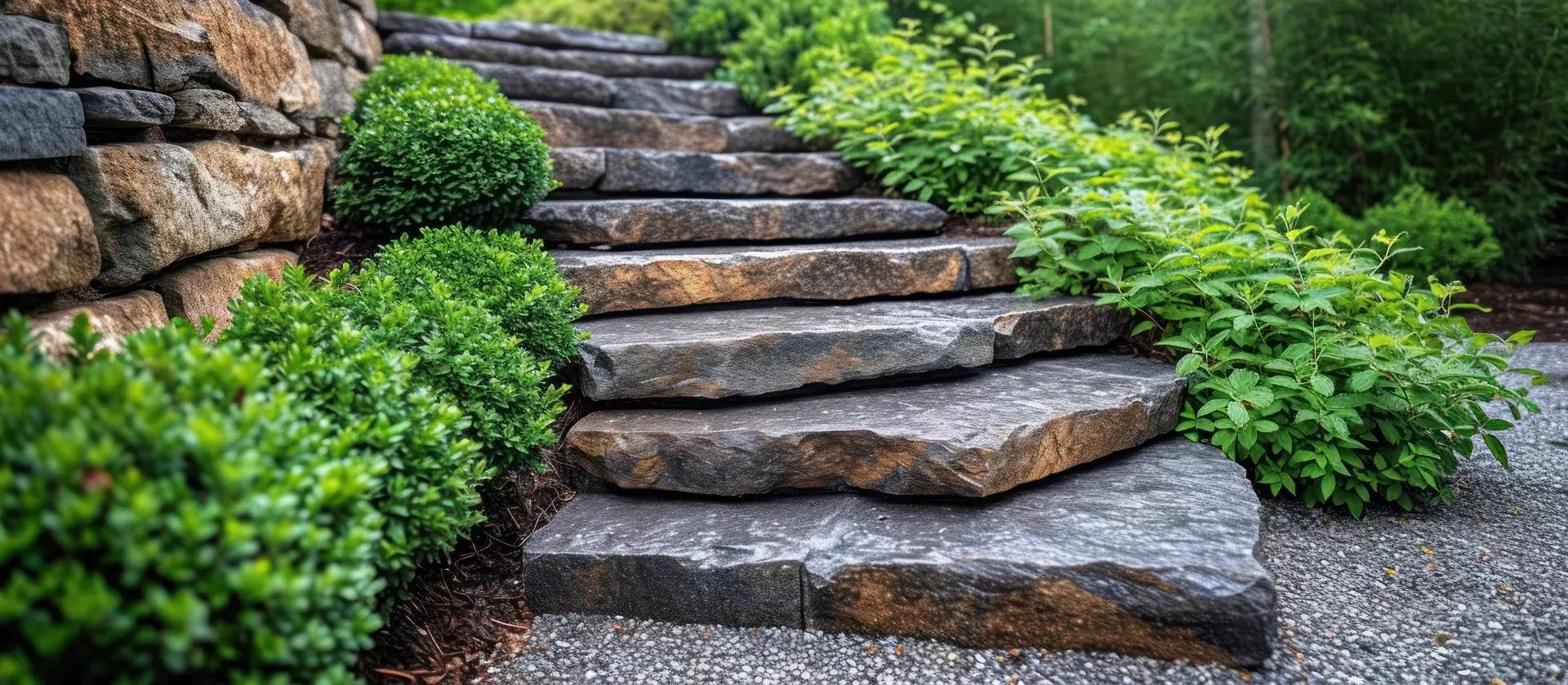
Using the wrong materials can leave your garden looking out of place and hard to live with. Very smooth slabs may be slippery in rain, while cheap blocks can crack or fade quite fast. Some stones stain easily with mud, leaves and barbecue spills.
Others need sealing or special cleaning that takes extra time. If you pick dark paving for a shaded area, the space may feel gloomy and small. The right choice should suit your soil, sunlight, drainage and how you plan to use the space every day. It should also match the age of your home, your budget and how much care you are willing to give it. Always ask for samples and check them outdoors in daylight.
Ignoring Drainage and Surface Water
One of the biggest mistakes in hard landscaping is failing to plan for drainage. Water that cannot soak away will sit on the surface, making paths and patios slippery and unsafe. Over time, standing water can damage pointing, cause algae growth and stain paving. In heavy rain, poor drainage can send water towards the house, leading to damp walls or even flooding inside. Many problems start when people forget to allow for slopes, gullies, drains and soakaways. It is also common to block existing drains with concrete or new paving. Good drainage design starts with knowing how water already moves across your garden.
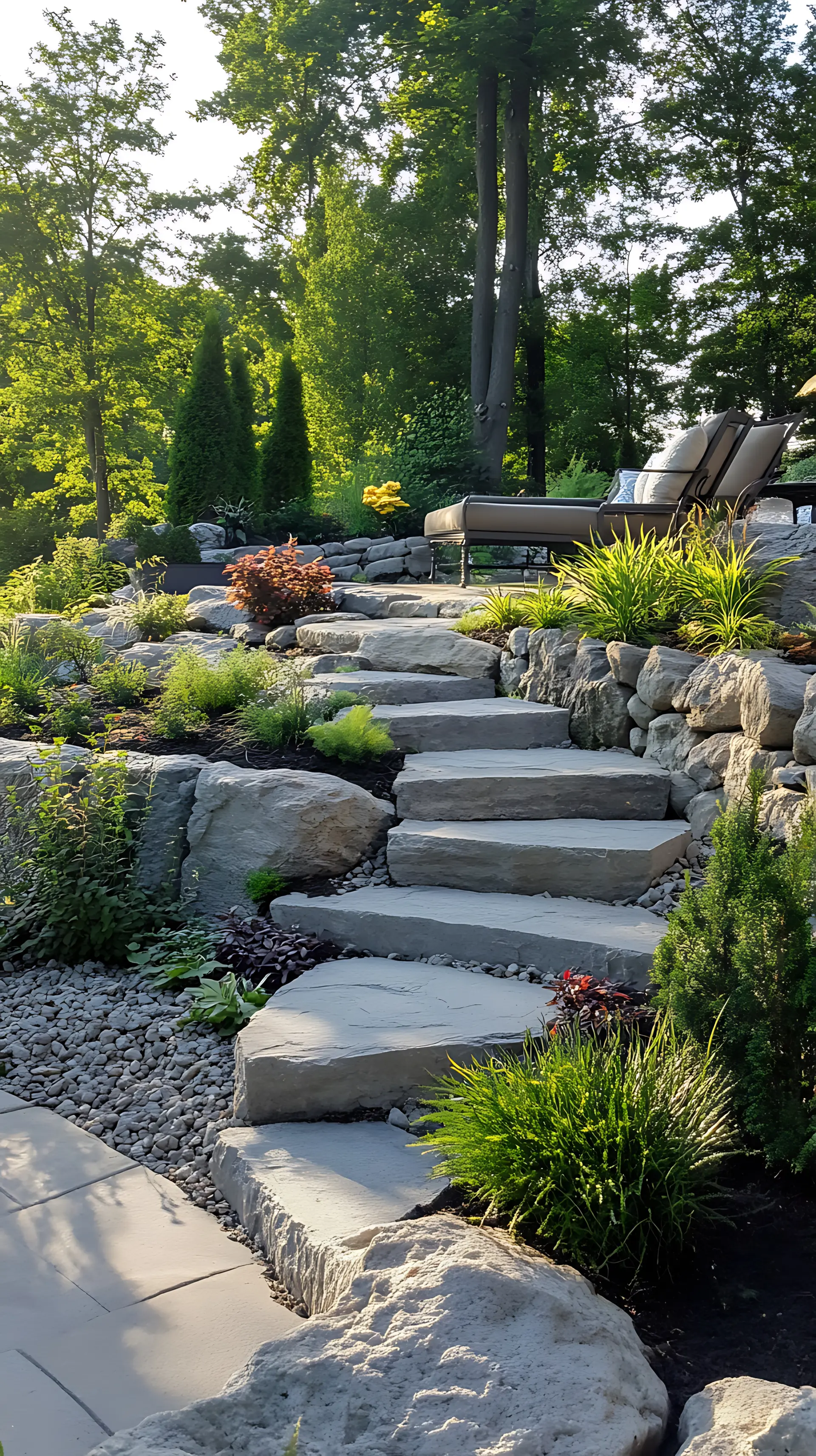
From there, you can choose the right mix of channels, permeable paving, gravel borders and lawn areas. A small change in levels or surface type can prevent large and costly problems later. Another mistake is sending all the water into your neighbour's garden or onto the pavement, which may break local rules and cause disputes. Paths and patios should never cover air bricks or low vents in outside walls.
Before any work starts, check that gutters, hoppers and downpipes are clear, and think about adding leaf guards where trees are close. On steep driveways, extra channels may be needed to slow the flow and protect the road. A careful installer will test how the water runs with a hose before finishing, and adjust levels if needed. Taking time to get drainage right will protect your garden, your home and your outside spaces for many years to come.
Uneven or Poorly Laid Paving
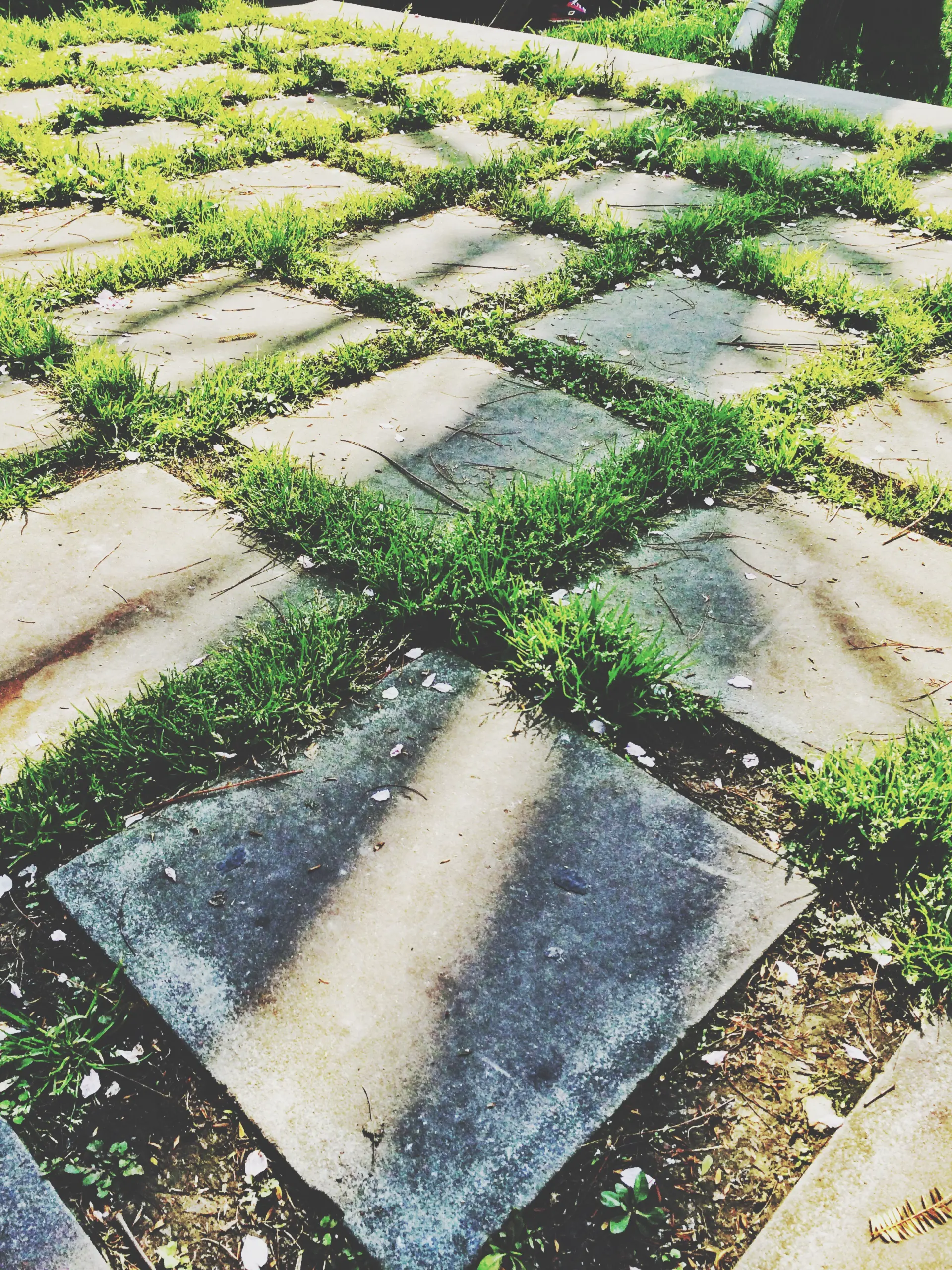
Uneven or poorly laid paving not only looks untidy, it also creates trip hazards for anyone using the garden. If the base is too shallow or badly compacted, slabs and blocks can rock, sink or lift with frost and heavy rain. Joints may open up, letting weeds through and making cleaning harder. Edges that are not properly supported can break away or creep out of line.
Bad laying can also spoil drainage, leaving puddles that stain and turn green. A level, stable sub base, correct falls for water and careful cutting around features are all vital for a safe, long lasting finish. It is worth taking extra time at this stage, because fixing uneven paving later is slow and expensive.
Not Planning for Low Maintenance
Many people design a garden that looks beautiful on day one but becomes hard work after a few months. Choosing fussy patterns, tiny joints and several different materials can increase the time spent cleaning and repairing. High maintenance features like timber edging, untreated sleepers and natural stone that needs regular sealing may not suit a busy life. Ignoring weed control, such as fitting proper membranes and edged beds, leads to constant weeding between slabs and gravel. A low maintenance garden still needs care, but the work is planned. Simple layouts, durable surfaces, good access and enough storage make it easier to keep everything tidy all year.
Another common mistake is planting fast growing shrubs and climbers too close to paths and fences. Within a few seasons they can block routes, damage surfaces and need heavy pruning. Very small lawn areas surrounded by tight borders are also hard to cut neatly. When you plan, think about how you prefer to spend your time outside. If you enjoy relaxing more than gardening, choose slow growing plants, larger paving areas and simple shapes that are quick to sweep.
Consider built in seating, wide paths for wheelbarrows and bins, and outdoor taps to make cleaning easier. Good lighting, safe power points and sheltered storage for tools all reduce effort. The aim is a garden that fits your lifestyle, so you can enjoy it without feeling trapped by endless jobs. Planning for low maintenance from the start saves money, stress and effort in years ahead.
Overlooking Safety for Children and Pets
Hard landscaping should always be safe for children and pets. Smooth, shiny slabs can be slippery when wet, especially on slopes. Large gaps between steps, loose gravel and wobbling edging stones can cause trips and falls. Deep ponds beside paths are risky for small children and curious dogs. Some plants and treatments near patios may be harmful if eaten or touched.
When planning your garden, think about secure boundaries, non slip surfaces, gentle slopes and solid steps with clear edges. Good lighting also helps everyone move around safely during darker evenings. Take time to check gate catches, fence gaps and spaces under decks, so that small paws and feet cannot become trapped or escape unnoticed. This simple check prevents accidents.
The Paving Company (Essex) Ltd provides expert hard landscaping services, from helping you choose suitable materials to designing proper drainage that protects your home. We install even, durable paving, plan low maintenance garden layouts and create safe, practical spaces for children and pets.