

Typical price ranges by driveway type
Firstly, gravel driveways are usually the most affordable. You pay for the stone, a weed membrane, edging, and labour. A small driveway might start from a few thousand pounds, while large areas cost more due to extra stone and time. Costs tend to rise if you choose more decorative gravel or need some strong edging.
Secondly, tarmac sits in the middle of the price range, so you get a solid base and one or two layers of hot tarmac laid by a trained crew. A simple shape with easy access is a great way to keep the price lower. Curves, tight spaces, and awkward levels push the figure up.
Thirdly, block paving often costs more than gravel or tarmac because it is labour-intensive. You pay for quality blocks, sand, edging, and careful laying in a chosen pattern. A standard rectangular layout is much cheaper than a fancier design, and this is usually because borders, circles, and complex patterns require more time and money.
Resin-bound drives are priced near good block paving. You're paying for a stable base and a resin and stone mix laid on top. A UV-stable resin and premium aggregates are what increase the bill. It's good to keep in mind that large, simple areas offer better value per square metre than small, tricky ones.
Ground conditions and how they affect digging
To begin with, the soil type affects the difficulty of tasks like digging. Soft, sandy ground is quick to excavate, while heavy clay is much slower to use and tends to stick to tools. Stony or chalky ground can often blunt the equipment and slow down the team. The longer the dig takes, the higher the labour cost may be.
You may be surprised that all the existing surfaces will also make a difference to the price. Old concrete will need to be broken up and loaded away, which typically costs more than just scraping off the turf. Thick slabs or reinforced concrete add wear to machinery, and therefore, adds more time onto the job. Extra skips or grab lorries may also be needed to remove waste.
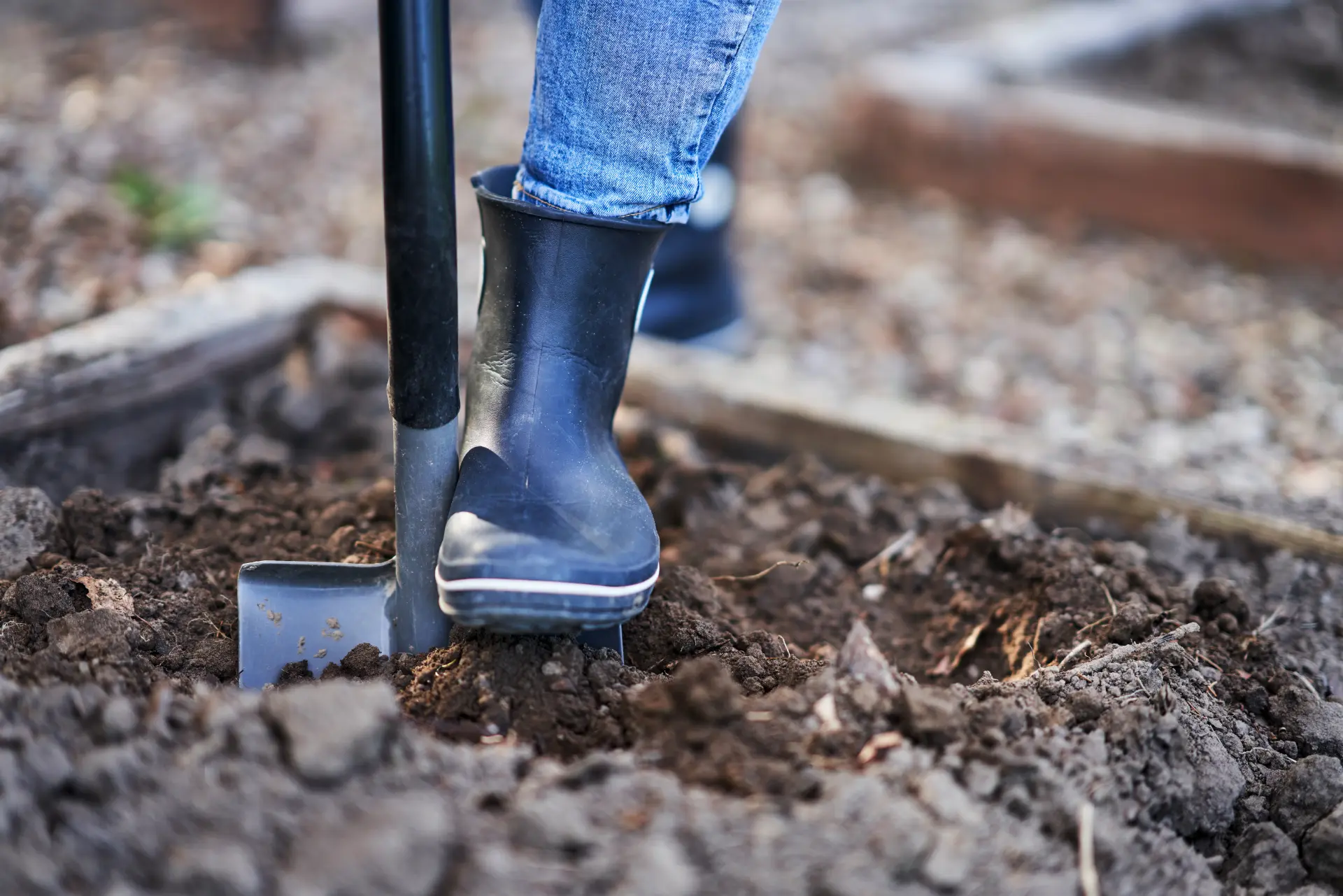
Access also affects the amount of effort needed to carry out the tasks. If your property has narrow side paths, steps, or low arches, professionals will have to limit the use of certain machines. If wheelbarrows replace diggers for moving spoil, the job will take much longer to complete. More hours on site typically means more labour charges and sometimes extra hire days.
The drainage and water levels are also to be considered. High water tables and poor soakaway conditions may require extra drainage channels or permeable layers. Meeting local rules can lead to design changes. These changes protect your home from puddles and frost damage but add to the total cost.
Sub-base depth and materials needed
Initially, depth is chosen to match the soil strength and type of the driveway. A typical domestic drive might need at least 150 mm to 250 mm of compacted sub-base. Heavier vehicles, such as vans, may need more. Proper depth spreads the load and stops sinking.
After that, material quality affects strength and price. Type 1 crushed stone is one of the most common because it compacts well, and recycled aggregates can be sound if they are certified and well-graded. The use of poor materials saves you very little in the long run if the surface later develops ruts or cracks. Furthermore, the layers must be carefully compacted in stages. Thin lifts with a vibrating plate or roller will remove any major air gaps, and you'll find that skipping this step can cause too much movement in winter and summer. Solid compaction extends the life of the whole driveway.
Membranes and edging help the structure stay in place. A geotextile membrane stops the sub-base from mixing with soil. Strong edging holds the many layers in place and prevents them from spreading. Together, these items keep the finish neat and reduce future repairs.
Dropped kerb fees from the local council
First, a legal vehicle crossing is needed if you drive over the pavement. Councils charge application fees and inspection costs. Some ask you to use an approved contractor. These rules protect underground services and public safety.
Second, prices vary by area or region. Urban councils can charge more than rural ones due to demand and admin time. Extra costs may arise if traffic management or parking suspensions are needed. You should check the guidance before planning work.
Third, utility checks are part of the process. Gas, water, and telecom lines may need locating or protecting. If any line must be moved, the utility company will charge. Such changes can add weeks and extra expenses to the overall project.
Lastly, the timing will affect your schedule. Councils tend to book inspections and road permissions well in advance, and missing a slot can delay the whole driveway build. Careful planning with your installer keeps the programme on track and avoids repeat fees.
Labour rates and time on site
To start, labour rates differ across the UK. Large cities often have higher day rates than small towns. Skilled tasks such as block laying cost more than basic digging. Bigger crews usually finish work faster, but it will ultimately increase your daily spending.
Then, the project length will depend on size and complexity. Small gravel drives can be done in a few days if access is good, whereas block paving or resin can take a week or more due to setting times and detailing. Bad weather can also extend the schedule, as sometimes you may have to postpone work until the weather improves.
Also, machinery and plant hire influence the bill, for example, diggers, rollers, and compactors speed up work but have daily charges. Fuel, delivery, and insurance are also included by some firms and listed separately by others. This is why it's necessary to get clear quotes, as they will help you compare like for like.
Lastly, preparation reduces any unwanted surprises. Fixed written quotes that list the excavation depth, sub-base thickness, edging, and disposal give you plenty of certainty. Itemised costs make changes easier to price if you alter the design.
Looking to enhance your home or property with a brand-new driveway in Southend and Essex? Look no further than our team at The Paving Company (Essex) Ltd. We work hard to provide all our customers with a range of landscaping services, including practical and beautiful driveway installations.