
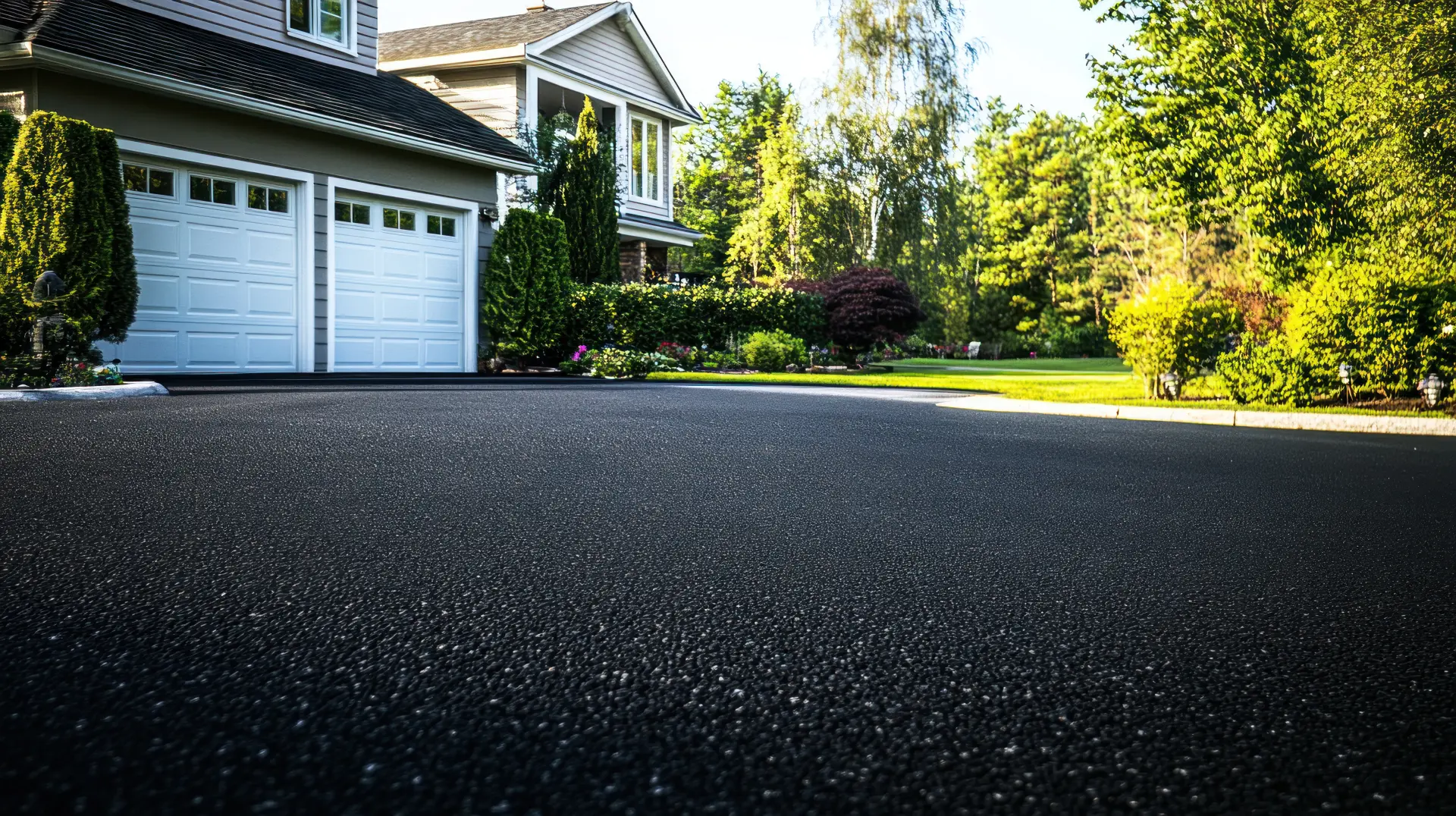
Matching the driveway to your home style
Style comes first because the driveway frames the way your home looks from the street. A classic cottage often suits more natural driveway textures and gentle shapes. Rounded edges and soft planting can make the entrance feel warm and welcoming. Simple details, like brick edging, can help tie the driveway to the older brickwork.
Proportion matters because the surface should not overpower the house. A modest home looks much better with a driveway that leaves room for borders and a front path. Wide, plain slabs can usually feel too heavy, while smaller units break up the space nicely. Balanced lines tend to guide the eye to the front door.
Materials should echo what is already there. If the house has red or buff brick, a matching tone in the driveway edging will look at home. If the façade is crisp and modern, cleaner lines and smoother textures keep the look consistent. Small colour repeats throughout will help everything feel intentional.
Lighting and planting complete the picture, for example, low lights make the route clear without any glare into your windows. Evergreens soften hard edges and give you lots of structure in winter. Gravel or permeable finishes work well with planting areas by allowing rain to soak away. Careful choices bring the whole front garden together.
Concrete, tarmac, resin or paving blocks
Concrete offers a solid, long-lasting surface with a clean look. Control joints help manage small cracks, and a brushed finish gives grip for shoes and tyres. Colours are always possible with the use of dyes, though subtle shades age best. Lots of cleaning keeps algae away and preserves the finish.
Tarmac brings speed and value where budgets are tighter. A well-compacted sub-base is necessary, followed by one or two tarmac layers. The result is smooth, quiet under tyres, and easy to repair with a later overlay. Occasional sealing can refresh the colour and protect the surface.
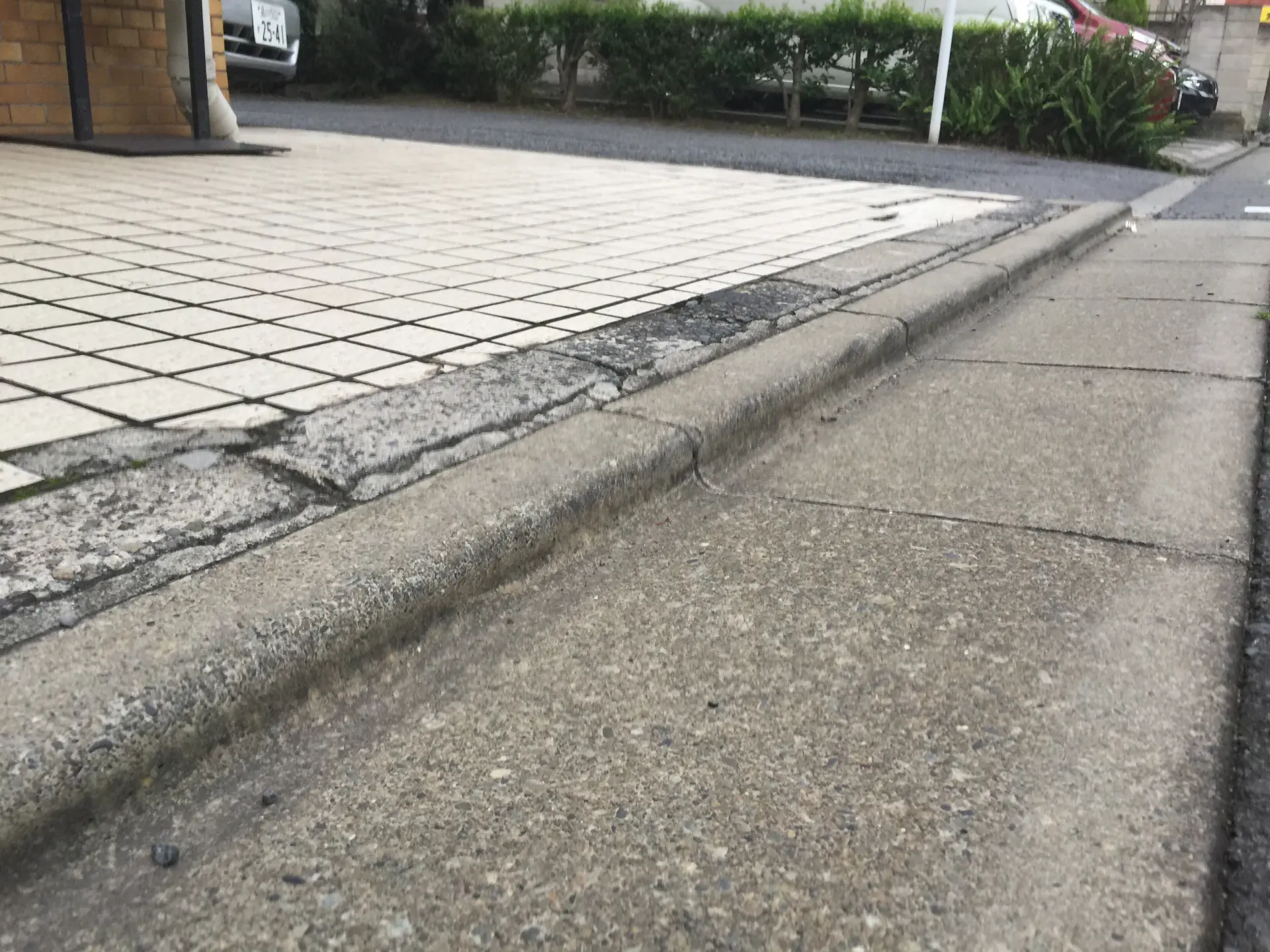
Resin-bound creates a decorative, porous finish that handles rain well. A stable base must be in place before the resin and stone mix is laid. Stone blends range from warm honey to cool grey, so matching the house is simple. Routine sweeping and a gentle wash keep it looking sharp throughout the year.
Paving blocks allow you the most pattern choices, and they make it easy to spot when they need to be repaired. Blocks come in concrete or clay in many sizes and textures. Strong edging, sharp sanding, and careful laying are the baseline of driveway durability. With plenty of good maintenance, blocks can be lifted to add cables or pipes and re-laid neatly.
Planning permission and rules to check
Permeable surfaces are often the simplest route to avoid planning issues. Many homes can use resin-bound, porous blocks, or gravel without having to seek out the right people for consent. Non-permeable options may still be used if rainwater drains to a soakaway within your land, and always look for the local guidance, as this will explain exactly what is allowed on your street.
Dropped kerbs need approval from the local council when creating a new vehicle crossing. An application, an inspection, and an approved contractor are normally required. Traffic control may be necessary on busier roads, and unfortunately, this will add to your total cost; however, it is best for your safety. Checking early allows you to avoid delays once the driveway team is booked.
Building regulations may apply when levels change near the house. It's paramount that thresholds keep water away from the door, and steps require safe rises and treads. Any wall or pillar near the pavement must be set out to protect sight lines, and all these safety rules will protect the residents and pedestrians.
Ground conditions, drainage and soil type
Soil type decides how deep you can dig and which bases you choose for your driveway. Clay soils move with wet and dry weather, so a stronger sub-base helps avoid ruts. Sandy soils are known to drain fast, but they can shift under loads without firm edges. Chalk or stony ground may need much tougher tools and careful compaction for stronger installation.
Water management helps keep the driveway sound throughout the seasons. Channels, gullies, and permeable layers help move the rain away from the surface. Drives that slope toward the house need a linear drain before the threshold to collect water and prevent it from rising. Good drainage will protect the building and stop puddles that freeze in winter.

Access affects how the work is carried out and its duration. Narrow paths or steps can stop the machines from reaching the front garden or yard. Manual hand digging and barrowing take much longer and can change the final price. Plan out the number of skips, grab lorries, and storage space you need, and this will help you keep the site tidy.
Waste handling completes the ground plan. In this process, clean soil, old concrete, and tarmac must be separated for proper disposal. Recycled sub-bases can be used wherever they are certified, saving you more money on new material. A tidy workflow will help cut out any mess on the pavement and keep the neighbours happy.
Colour, pattern and finish choices
Colour sets the mood before any pattern is chosen. Warm tones usually evoke a much friendlier atmosphere and complement your brick houses well, whereas cooler greys and charcoals suit render and modern cladding. Why not get a small sample board in daylight to help you judge roughly how the shade will read from the street?
Pattern shapes the space and can guide parking. Herringbone paving resists turning forces on driveways that are used daily. A stretcher bond feels calm and makes narrow areas appear longer. Borders in a contrasting colour give definition without being too loud.
Texture controls the grip and level of maintenance needed. Brushed concrete and tarmac supply steady traction in wet weather, and resin-bound has a fine, even surface that is comfortable underfoot and wheelchair-friendly. Tumbled blocks tend to give a much softer look, while smooth blocks are easier to sweep.
Detailing makes the design feel finished. Edging kerbs stop the surface spreading and protect planting beds. Gentle curves ease the route to the garage and soften straight frontages.
Looking to enhance your home or property with a brand-new driveway in Southend and Essex? Look no further than our team at The Paving Company (Essex) Ltd. We work hard to provide all our customers with a range of landscaping services, including practical and beautiful driveway installations.